
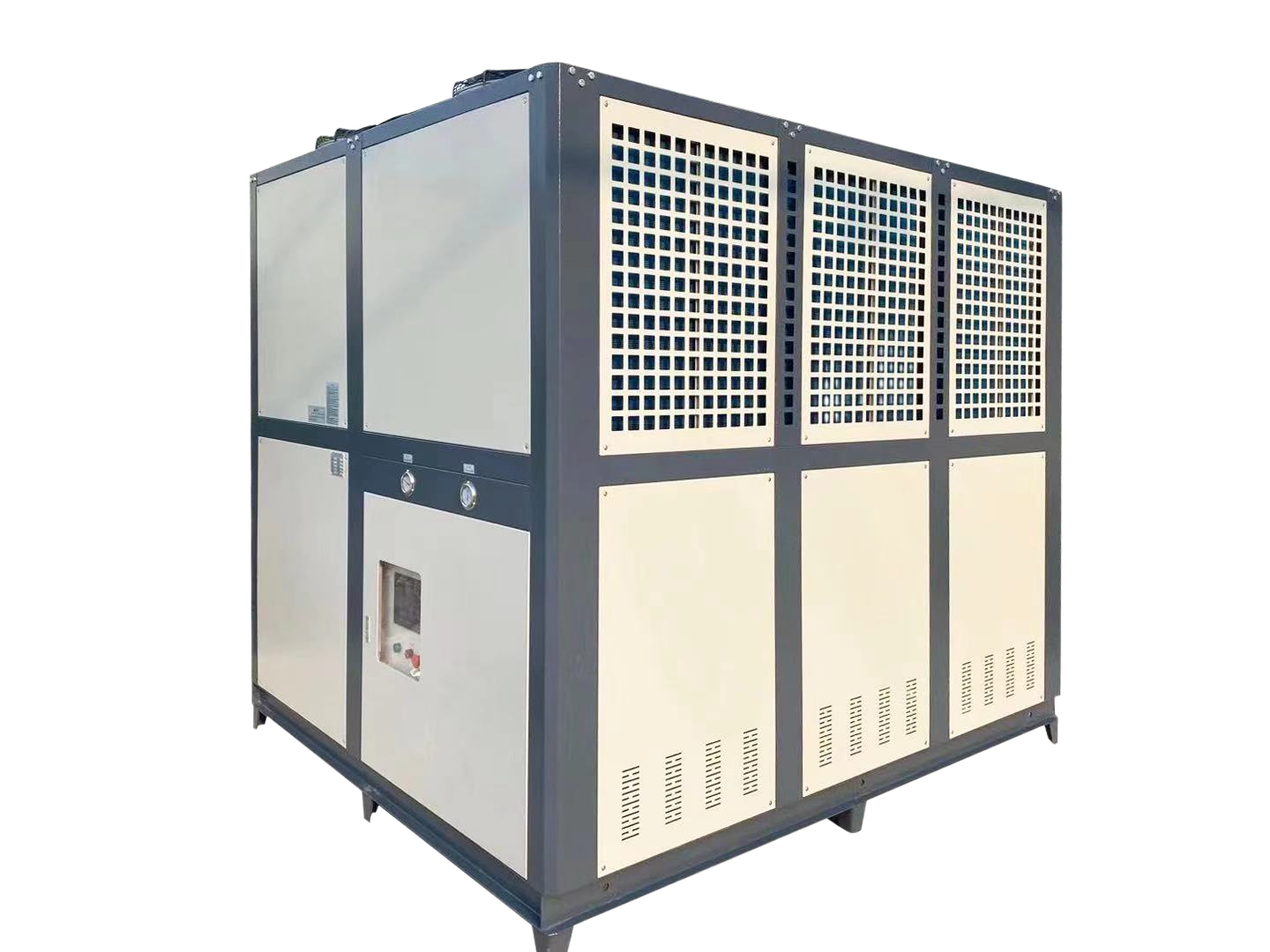
Industrial Air-cooled Chiller
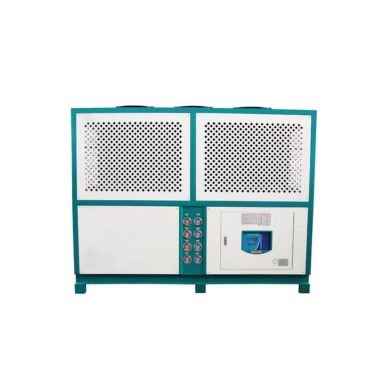
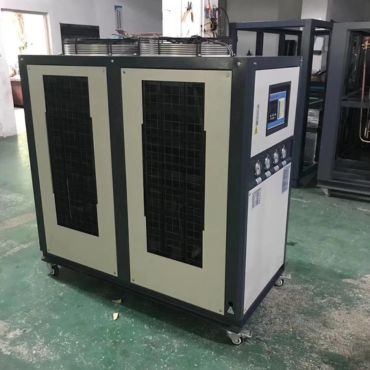
Industrial air-cooled chillers are available with either scroll or screw-type compressors, using refrigerants including R-410A, R407, and R32. These units range from 10 to 500 tons in capacity. The chillers utilize ambient air to cool the refrigerant, supporting continuous industrial processes. As stand-alone units, they require no additional equipment to function. The semi-hermetic design comes with multiple customization options to meet specific project requirements. These self-contained cooling systems offer flexible configuration options while maintaining efficient operation.
Industrial Chiller Plus Extras
The Industrial Chiller from Yushine does not need maintenance and is embedded with high-end quality. You can find industrial chillers from Yushine in multiple types, each with different models. Their efficient design helps you save extra costs. The Industrial Chiller is beneficial in many industries, including the food industry, beverage industry, diecasting, plastic industry, wax cooling, and much more.
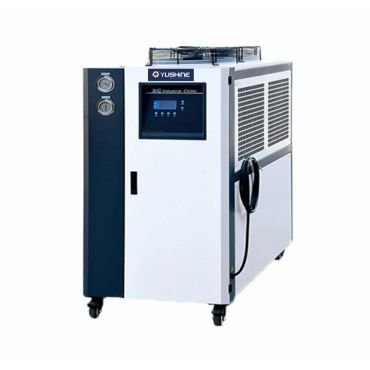
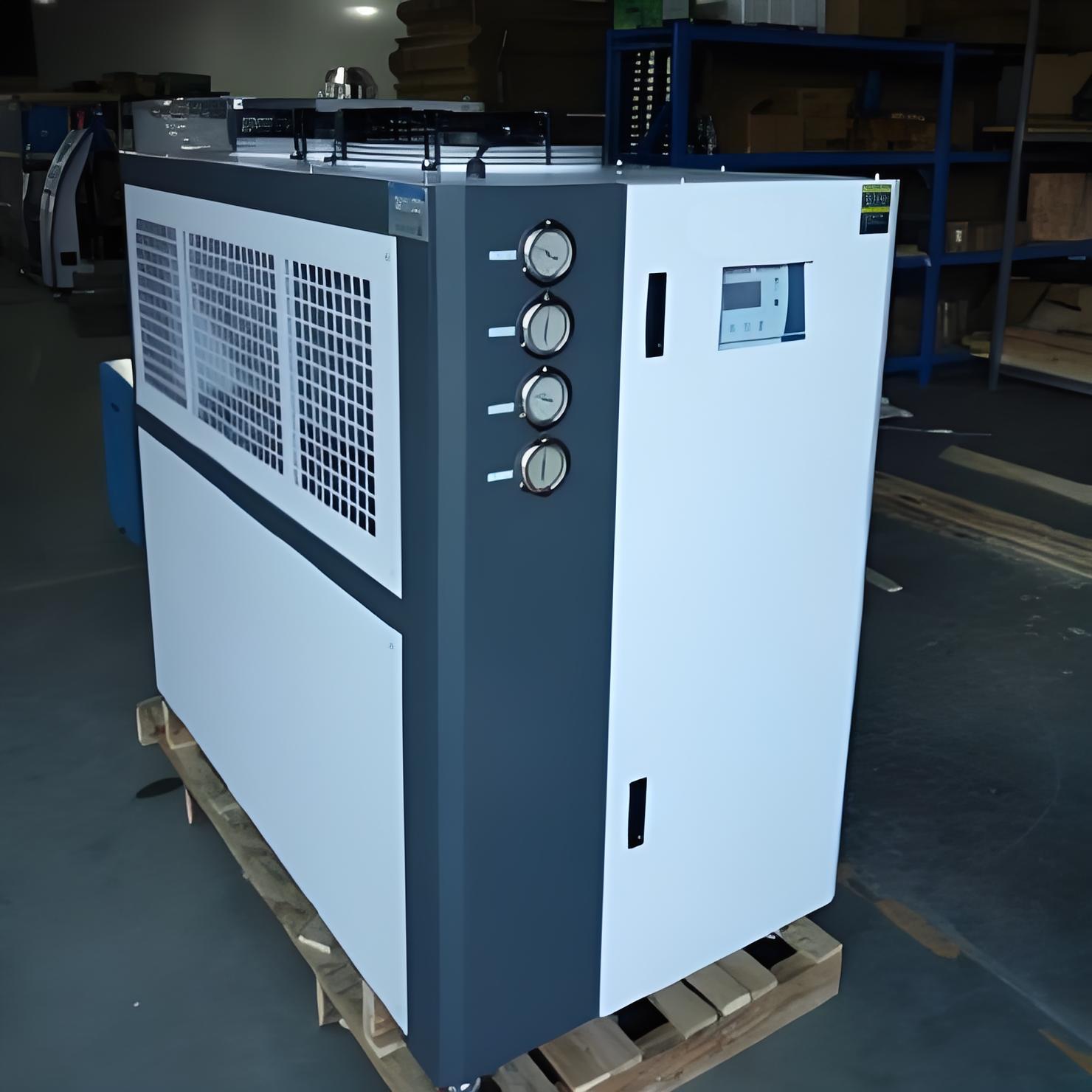
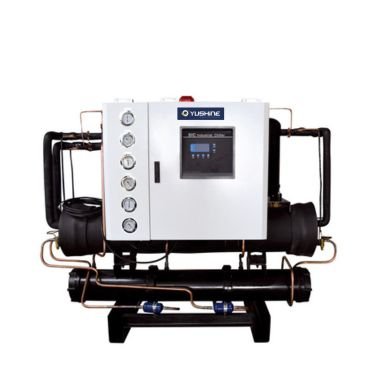

Specification
| Parameters | SIC-1A | SIC-2A | SIC-3A | SIC-4A | SIC-5A | SIC-6A | SIC-8A | SIC-10A |
| Cooling capacity (KW/hr) | 3.05 | 6.1 | 9.15 | 12.2 | 15.25 | 18.3 | 24.4 | 30.05 |
| Cooling capacity (Kcal) | 2700 | 5400 | 8100 | 10800 | 13500 | 16200 | 21600 | 27000 |
| Temperature range (°C) | 5°C~35°C (Below 0°C can be customized) | |||||||
| Power supply | 1N~220V 50HZ/60HZ | 3N~380V/415V 50HZ/60HZ | ||||||
| Total power (KW) | 1.25 | 2 | 2.8 | 3.6 | 4.75 | 5.5 | 7.6 | 9.8 |
| Compressor type | (Fully sealed vortex/piston type) | |||||||
| Compressor input power (KW) | 0.75 | 1.5 | 2.25 | 3 | 3.75 | 4.5 | 6 | 7.5 |
| Water pump power (KW) | 0.375 | 0.375 | 0.375 | 0.375 | 0.75 | 0.75 | 0.75 | 0.75 |
| Refrigerant | R-22 | |||||||
| Condenser type | (Efficient internally threaded copper pipe sleeve corrugated aluminum fins) | |||||||
| Fan air flow (M3/h) | 1000 | 2000 | 3000 | 4000 | 5000 | 6000 | 8000 | 10000 |
| Size (L×W×H, mm) | 1075×640×1135 | 1125×640×1290 | 1275×640×1450 | 1325×750×1450 | 1325×750×1450 | 1325×750×1450 | 1325×750×1450 | 1325×750×1450 |
| Total weight (KG) | 130 | 155 | 220 | 245 | 265 | 320 | 380 | 450 |
REQUEST A QUOTE FOR MORE DETAILS
Industrial Scroll Air-Cooled Chiller
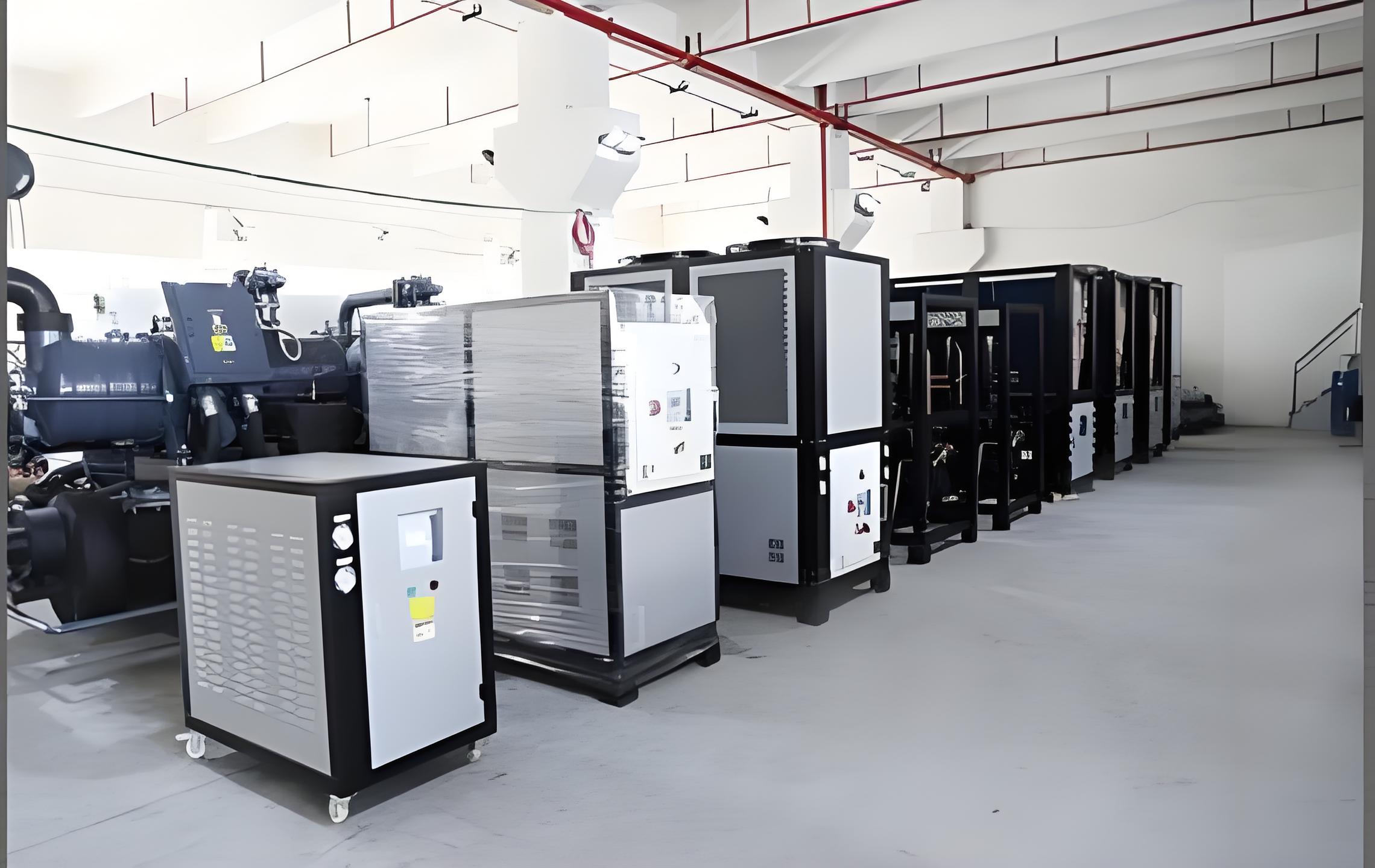
The industrial air-cooled chiller’s cooling temperature range is 5-25°C. It features an internal stainless steel insulated water tank with built-in anti-freezing protection. It uses environmentally friendly R410A refrigerant for a better cooling effect. The refrigeration system employs high and low-pressure control protection, with overload protection for the compressor and pump. A high-precision controller is used with a display accuracy of ±1°C. The unit uses Panasonic or Copeland compressors featuring low noise, high energy efficiency, and long service life. The finned condenser provides excellent heat transfer and rapid heat dissipation without a cooling water supply.
What Are Industrial Screw Chiller Used For?
Our Air-cooled screw chiller units can be customized to suit the application site and temperature. Air-cooled screw chiller units use high-efficient energy-saving semi-closed screw compressors with 5:6 patency design spiral rotors, which are 20%-30% more efficient than common ones. The advanced microcomputer controller and super-large LCD display screen make the system fully automatic control and interface-friendly.
Low-temperature units:
The cooling capacity of these chillers is from 161.8KW to 1350.49KW, and the chilled water outlet temperature is from -45°C to 10°C. They are suitable for various low-temperature applications requiring high-accuracy control, such as chemical processing and food and beverage production.
Explosion-proof units:
For applications in hazardous areas, units can be equipped with explosion-proof modifications, compressor handbells, Refcomp, Bitzer, etc., which are well known for their excellent performance, significantly improving the reliability and safety of the units. Its motor is in one-body design with a compressor, avoiding shaft seal leak and noise and improving safety and reliability.
Both low-temperature and explosion-proof models feature comprehensive safety and protection features, such as compressor overload protection, phase sequence/phase loss, high/low voltage, etc, which protect the chillers effectively, making them ideal for various industrial low-temperature applications with high efficiency and excellent safety.
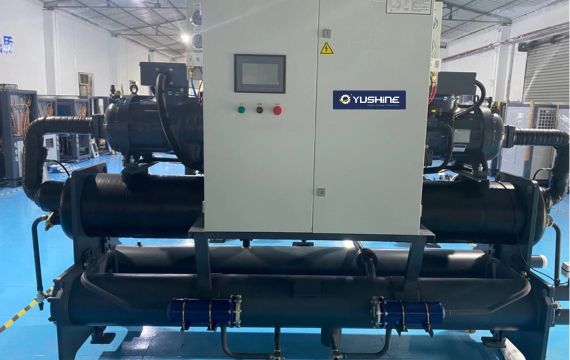
Industrial Chiller Unit Parts
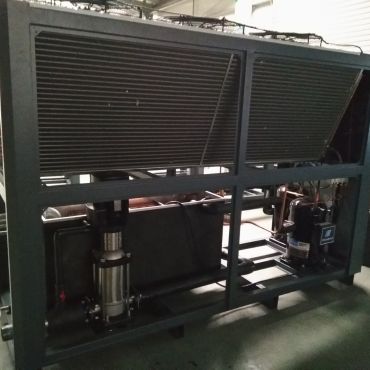
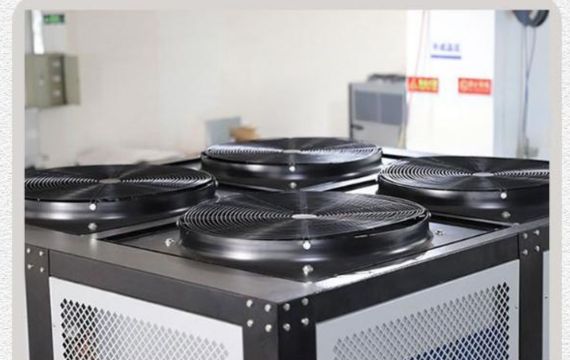
It operates stably using an axial flow rotor motor, with low noise, easy installation, and a low failure rate.
Featuring original imported screw or piston compressors, they offer low noise, minimal vibration, and a low failure rate.

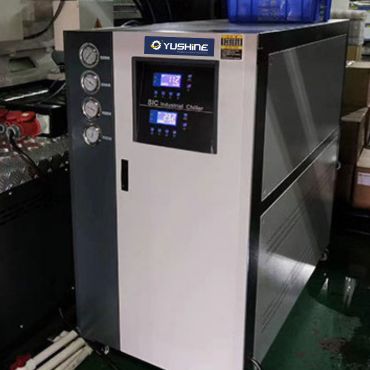
Specialized high-precision high/low-pressure gauges ensure real-time and accurate monitoring of the operating status of cooling equipment.

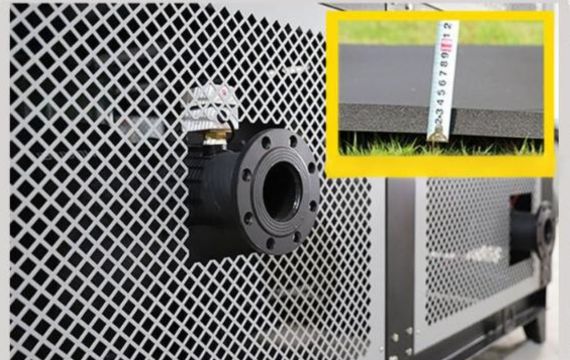
Designed with same-diameter and different-diameter ports for efficient impurity filtration, effectively preventing blockages.
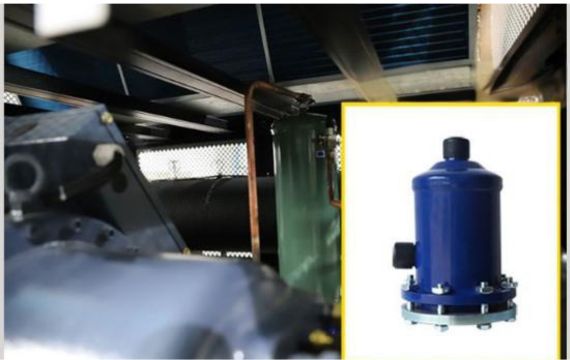
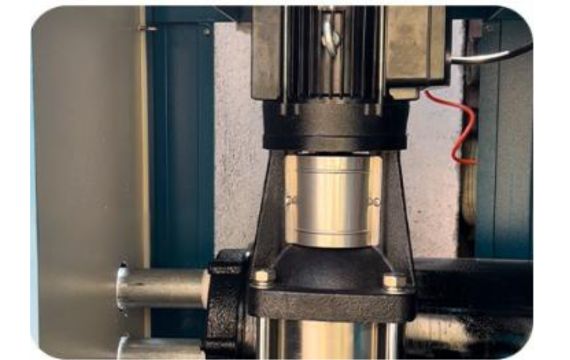
Equipped with top domestic brand stainless steel high-pressure water pumps, featuring high flow rate, large head, clean water quality, low noise and failure rate, and a stylish, high-end design.
Industrial Chiller Applications
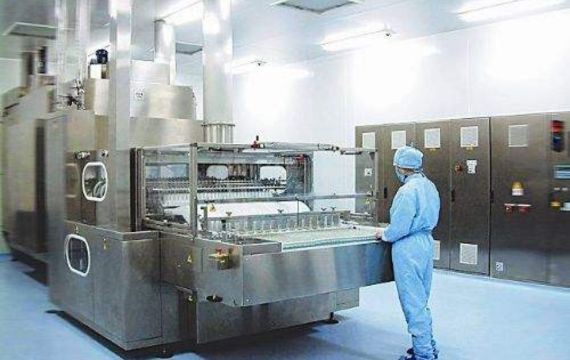
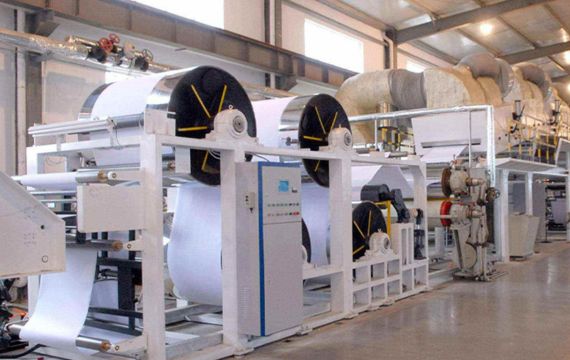
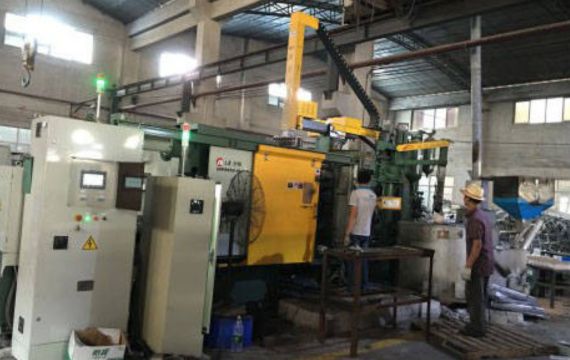
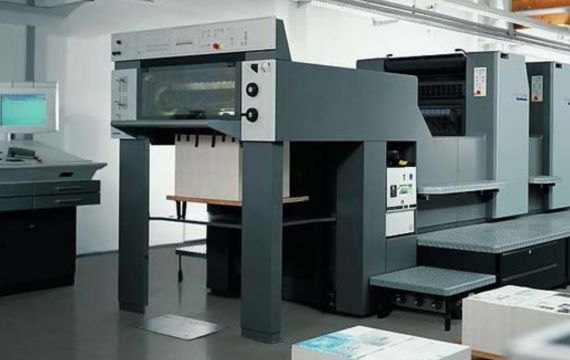
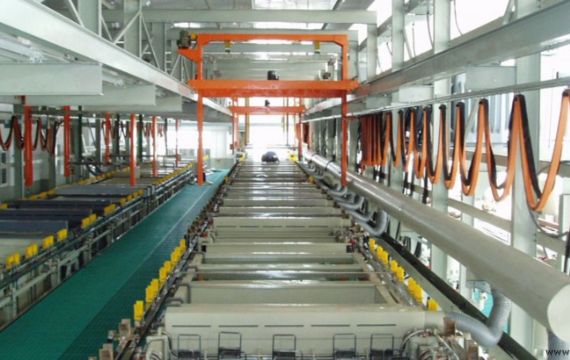
Yushine Industrial chillers are widely used in various manufacturing industries to provide precisely temperature-controlled cooling water. Here are the specific applications of industrial chillers in different production workshops:

Why Choose Our Industrial Chiller?
Several key Factors When selecting air-cooled chillers
Refrigeration capacity is a key parameter for the selection of air-cooled chillers, which determines the chiller’s refrigeration effect and application range. The refrigeration capacity can be determined by calculation or measurement.
The commonly used condenser types for air-cooled chillers include air-cooled, water-cooled, and evaporative. Among them, the air-cooled condenser has a simple structure and is easy to maintain, but the refrigeration efficiency is low; the water-cooled condenser has a high refrigeration efficiency but requires a cooling water circulation system; the evaporative condenser uses water evaporation to absorb heat to cool the refrigerant, and has a high refrigeration efficiency. Select the appropriate condenser type according to actual needs to ensure the refrigeration effect and stability of the chiller.
Cooling water flow rate is another key parameter for the selection of air-cooled chillers, which determines the cooling effect and energy consumption of the chiller. The cooling water flow rate can be determined by calculation or measurement. Different processes and production processes require different cooling water flows, which need to be selected according to actual needs.
The different environments in which air-cooled chillers are used will also affect their selection. For example, for high-temperature and high-humidity environments, it is necessary to select chillers with strong high-temperature and humidity resistance; for occasions that need to be used mobile, it is essential to choose chillers with smaller volumes and easy to carry.
Frequently Asked Questions
A chiller is a cooling water device that provides constant temperature, constant flow, and constant pressure. In terms of industry applications, chillers are categorized into air-cooled chillers and water-cooled chillers. Based on temperature control, chillers are divided into low-temperature chillers and normal-temperature chillers. Normal-temperature chillers typically maintain a temperature range of 0°C to 35°C, while low-temperature chillers operate within a range of 0°C to -45°C.
The lifespan of a chiller is typically influenced by the user’s operating environment and water quality. For instance, the chillers we design have a lifespan of 10 years. If the incoming water is clean and the chiller is regularly maintained, it can last over 10 years. However, the machine is more likely to encounter problems if the water contains acidic or alkaline substances. Therefore, it is crucial to pay attention to water quality during use and avoid using groundwater.
Explosion-proof chillers are primarily used in environments with flammable gases or alcohol molecules. All monitoring components must undergo explosion-proof or flameproof treatment. For instance, explosion-proof pipes, electrical control connections, and the explosion-proof box are all specially treated.
The compressor’s and equipment’s electrical control components are connected using thick explosion-proof pipes, ensuring no sparks are generated. The solenoid valve’s primary function is to regulate the compressor in stages at 25%, 50%, and 75%. However, standard solenoid valves may produce sparks, so explosion-proof solenoid valves are specially treated to meet much higher requirements than regular equipment.
Laser chillers are a specialized application of industrial refrigeration in the laser industry. Their primary role is to provide water circulation cooling for laser generators, effectively controlling their operating temperature. This ensures that laser generators can operate normally over extended periods.
Laser generators generate high temperatures during prolonged operation, and excessive heat can affect their normal functioning. Therefore, laser chillers are essential for maintaining temperature control through water circulation cooling.
Case Models
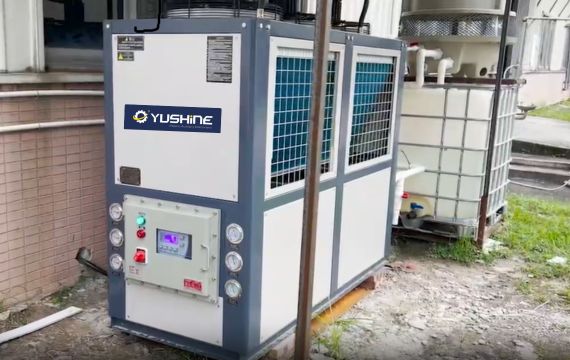
Equipped with an explosion-proof compressor and other explosion-proof components, such as an explosion-proof water pump and control box, ensuring safe operation in flammable and explosive environments. It is primarily used to control equipment temperature during production, ensuring product quality and safety.
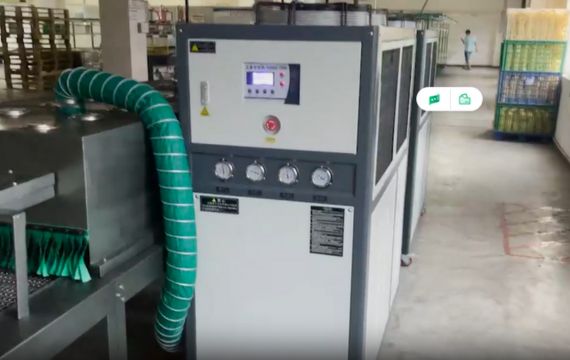
The 10HP air-cooled cooling fan quickly lowers the temperature inside the tunnel oven, ensuring product quality and stability during processing. It typically uses eco-friendly refrigerants such as R-410A for high efficiency and low environmental impact. With no duct installation, it directly cools indoor air, improving efficiency and saving installation space.
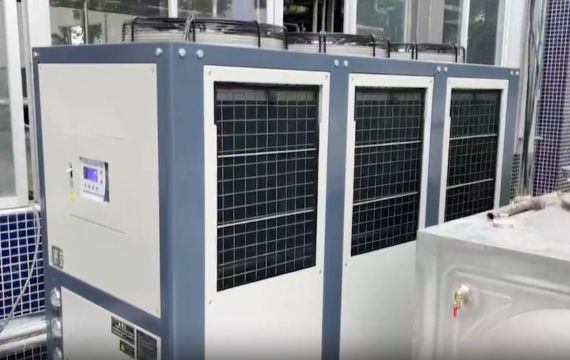
The 20HP air-cooled chiller features an imported high-performance compressor, delivering excellent cooling efficiency to rapidly lower the temperature inside the reactor.
