
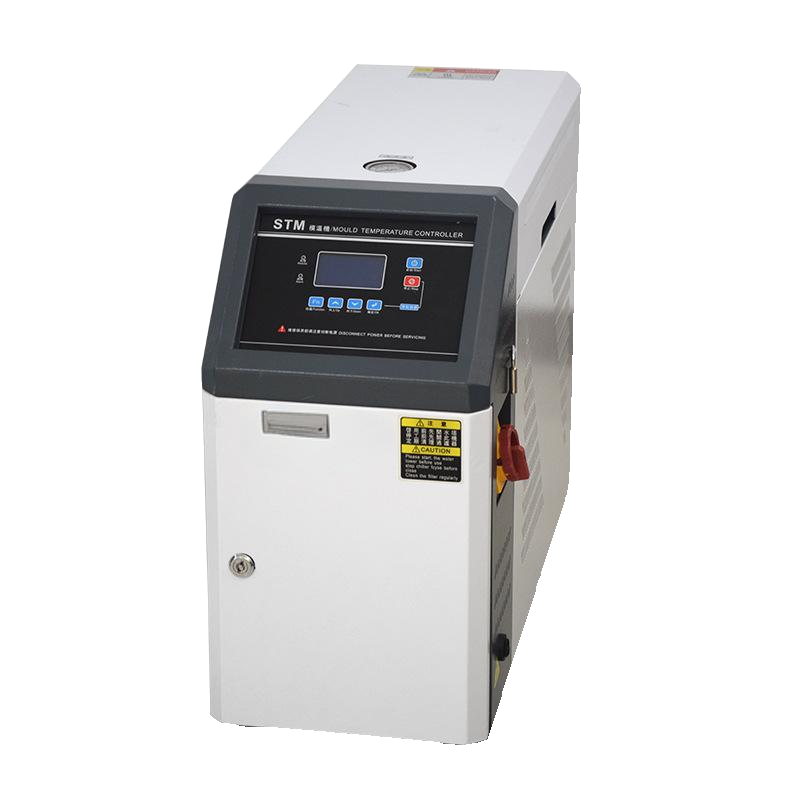
Water Temperature Control Units
Water-type mold temperature controllers are extensively employed in industrial environments requiring temperature regulation. Using water as the heat transfer medium and typically working within a 30°C to 180°C temperature range ensures precise temperature control ±0.1°C. They have advanced microcomputer control systems and possess heating and cooling functions. Most adopt the direct cooling method, while high-temperature types use indirect cooling. Due to their excellent heat transfer performance, precise temperature control, and wide working temperature range, These devices improve product quality, increase production efficiency, and lower energy usage. They have become a tool for temperature control.
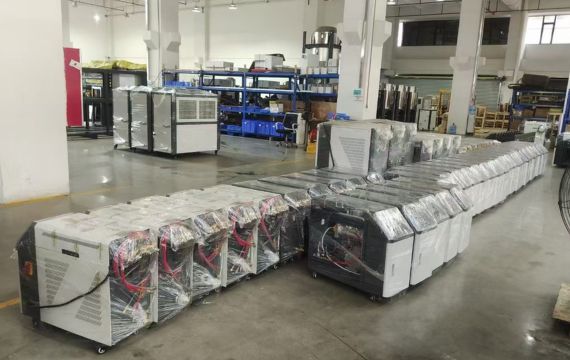
Discover Our Products
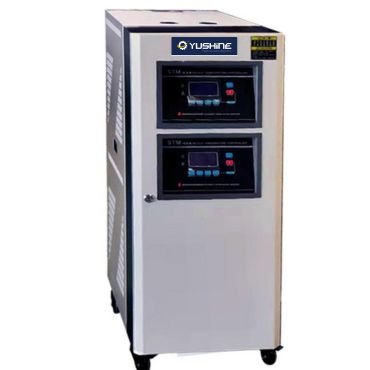
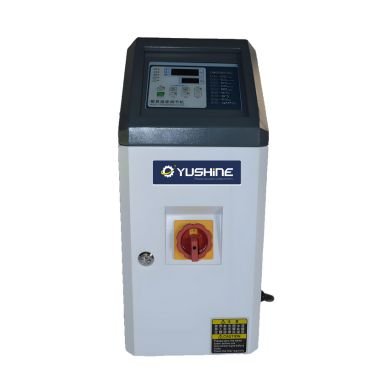
The water mold temperature controller takes water as the medium; the standard type can reach 120°C, and the high-temperature type can reach 160°and180°. The 160° type uses a vortex pump, and the 180° high-temperature type uses a magnetic pump. All machines can be customized. We also have a dual-stage water mold temperature controller 2 in 1.
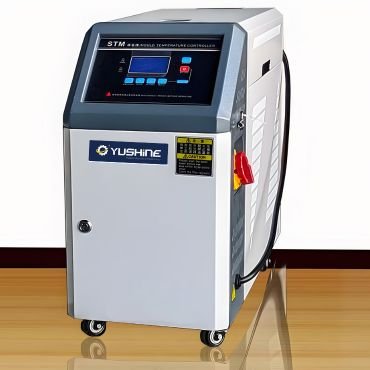
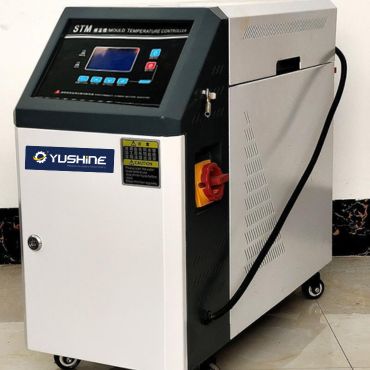
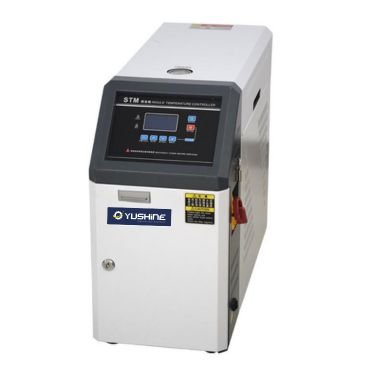
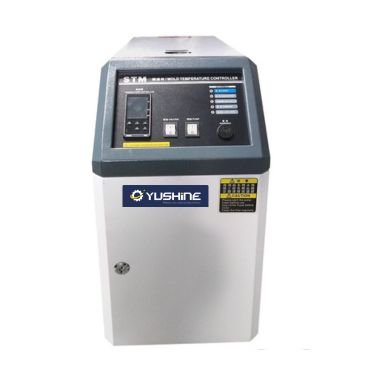
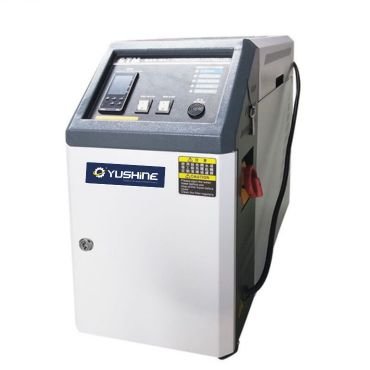
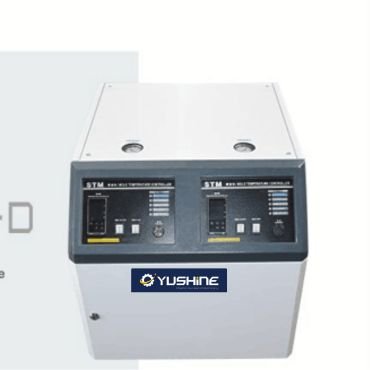
Specification
| Model | Max Temperature | Dimension (mm) (H)X(W)X(D) | Weight(KG) | Heating Power(KW) | Pump Power(KW) | Pump Flow(L/min) | Pump Working Pressure(bar) | Quantity of Heading barrel(PC) | Main Secondary Tank Capacity(L) |
| STW-600W | 120℃ | 635×280×740 | 60 | 6 | 0.55 | 27 | 3.8 | 1 | 3.0 |
| STM-600W-D | 655×510×740 | 100 | 6*2 | 0.5*2 | 27*2 | 3.8 | 2 | 3.0*2 | |
| STW-900W | 655×280×740 | 72 | 9 | 0.75 | 42 | 5.0 | 1 | 3.0 | |
| STW-900W-D | 655×510×740 | 105 | 9*2 | 0.75*2 | 42*2 | 5.5 | 2 | 3.0*2 | |
| STM-1200W | 695×340×815 | 120 | 12 | 1.5 | 74 | 6.2 | 2 | 6.0 | |
| STM-2400W | 870×360×930 | 140 | 24 | 2.8 | 130 | 8.0 | 2 | 7.4 | |
| STM-3600W | 980×415×930 | 165 | 36 | 4 | 200 | 8.0 | 4 | 17.4 | |
| STM-600-PW | 180℃ | 765×320×765 | 80 | 6 | 0.55 | 27 | 3.8 | 1 | 3.4 |
| STM-900-PW | 765×320×765 | 85 | 9 | 0.75 | 42 | 5.0 | 1 | 3.4 | |
| STM-1200-PW | 765×340×820 | 95 | 12 | 1.5 | 74 | 6.2 | 1 | 3.4 |
REQUEST A QUOTE FOR MORE DETAILS
All You Need to Know About Water Temperature control Units
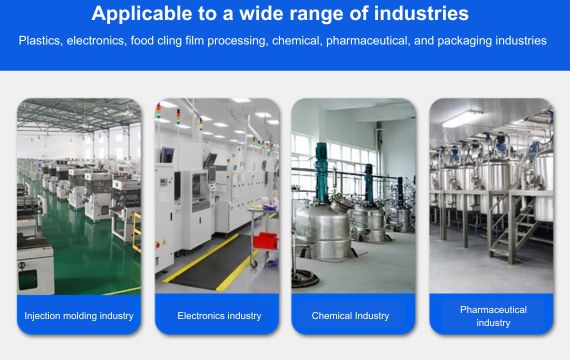
Water Mold Temperature Controllers are widely used in many industries, such as plastic injection molding, die casting, rubber forming, and chemical reactions.
Circulating water is used to control mold temperatures. It does this by taking advantage of water’s excellent thermal conductivity, which can heat or cool quickly and improve product cycles.
Modern water mold temperature controllers have PID control to achieve accurate control and functions such as a touch screen. Simultaneously, we consider some safety devices, such as low water protection, overload protection, high/low-pressure protection, etc. Stainless steel-designed pipes reduce using dirt and corrosion in the pipes. For maintenance, regular cleaning and checking for leaks can help ensure their efficient operation.
Why Choose Water Mold Thermoregulator?
Water-based mold temperature controllers have several advantages over oil-based ones. They offer faster heating and cooling, consume less energy, and are environmentally friendly since they don’t emit harmful gases.
These controllers provide precise temperature control with minimal fluctuations, which helps improve product quality and extend the life of molds.
They only require tap water, making them easy to use without special media. Through pressurization, they can handle temperatures up to 180°C, meeting the needs of most plastic processing applications.
Additionally, it is cost-effective, as there’s no need to purchase or replace thermal oil.
The technology behind low-temperature water systems is well-established, ensuring reliable performance with a low failure rate. Their quick response times also help shorten production cycles and boost overall efficiency.
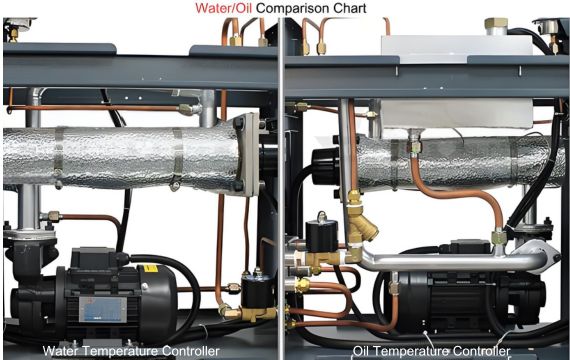
Water Temperature Control Units Parts
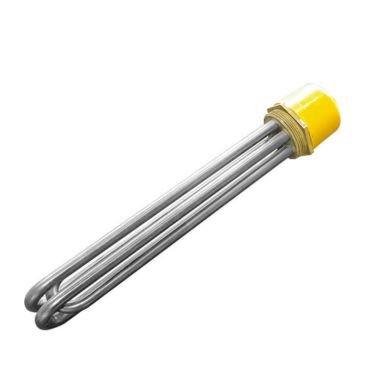
The heating rods are made of 304 stainless steel, offering corrosion resistance, fast heating, and long-lasting durability.
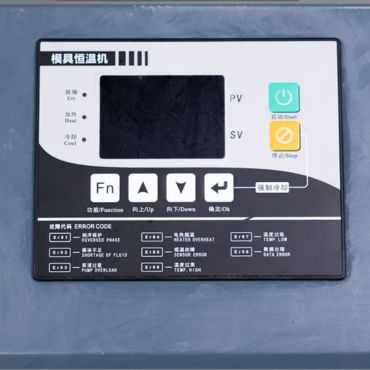
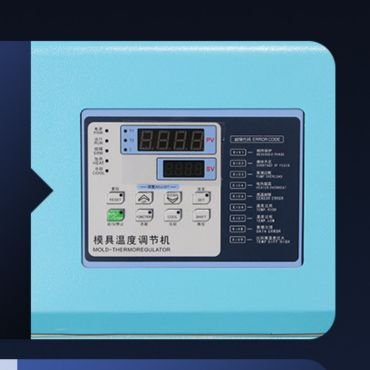
A convenient fault code table is located below the panel, eliminating the hassle of referring to the manual.
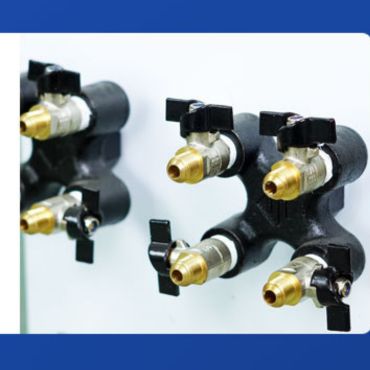
Both the inlet and outlet use pure copper connectors, which are resistant to high temperatures (6KW models have two inlets and two outlets, while 9KW and 12KW models have four inlets and four outlets).
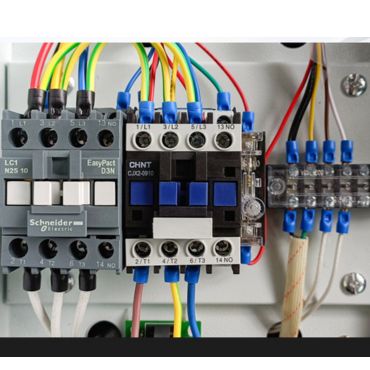
Original electrical components, durable and long-lasting.
Using the Taiwan Punp Brand control panel offers stable and reliable performance with comprehensive functionality.
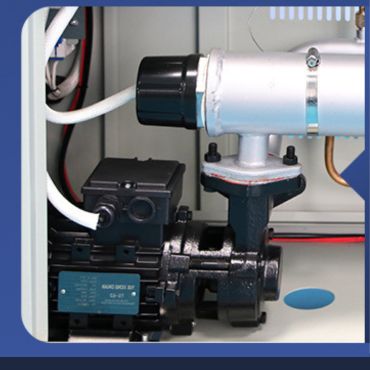
Equipped with a high-pressure, high-temperature resistant, low-noise, all-copper pump, ensuring stable operation.
Water Mold Temperature Controller Applications
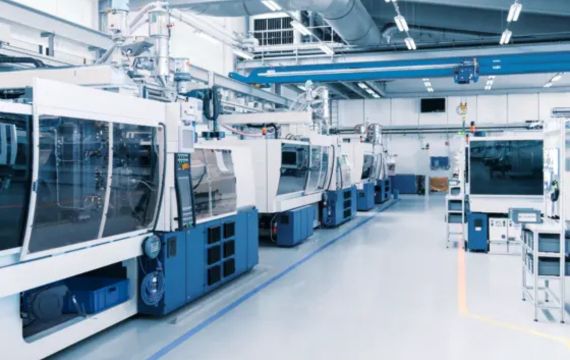
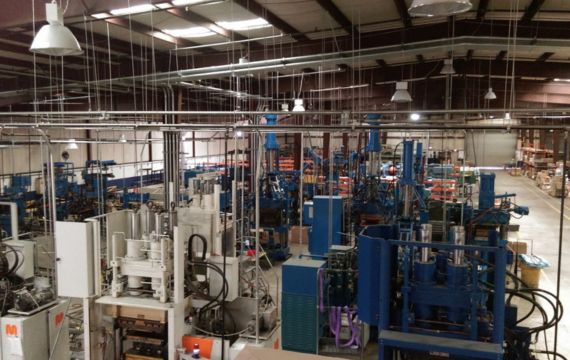
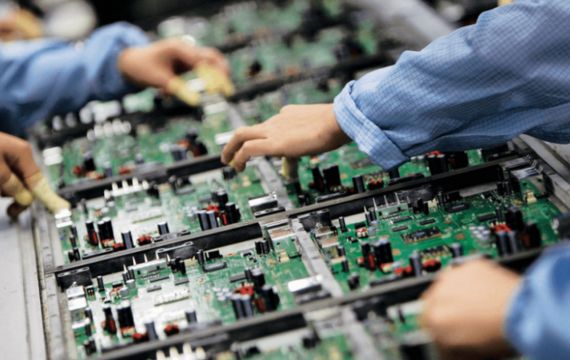
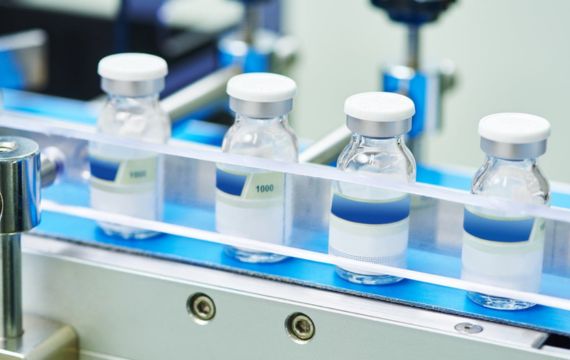
Water Mold temperature control machines, also known as water-type MTC, are used to control mold temperatures precisely: these machines improve product quality and optimize production efficiency. In recent years, the application scope of mold temperature controllers has continuously expanded, penetrating various industrial sectors:


Why Choose Our Water Mold Temperature Controller
Considerations When Buying a Mold temperature controllers ?
Understanding the molding process temperature of the plastic material used is the primary task. Different plastic materials have a specified processing temperature range.
Select an appropriate heat transfer medium according to process requirements, environmental conditions, water, or oil. Water: For an intended temperature range(lower than 180 ℃ usually),
Oil: This heat transfer medium could be suitable for high temperatures (for example, 300 degrees).
Heating/cooling power requirement: mold weight, Mold size, Mold interface connections, Process temperature requirements
Only an accurate power calculation of the demand can help MTC(equipment )reach the target temperature more quickly or save more power.
Heating time(temperature required to heat mold from environment condition to working condition
Temperature precision and stabilization required by the production process
Frequently Asked Questions
The main advantage of a dual-stage of temperature control unit is that it takes up less space and allows for separate temperature control of different zones.
For example, this dual-control system works well if your mold’s upper and lower halves need different temperatures.
If you’re tight on space in your workshop, this two-in-one unit could be a good fit.
It’s also handy for injection molding setups where you must control the top and bottom mold temperatures separately. If they need different temperatures, this dual-temperature controller is an intelligent choice.
Yushine’s water temperature controller regulates water circulation and temperature. Lt comes in two forms: a standard water temperature controller and a high-temperature water controller; the benefits of using such a temperature controller are as follows:
- The water temperature controller improves efficiency and reduces maintenance costs. It is automatic, which results in inconvenience and enhances the quality of the product.
- The water temperature controller is quite beneficial in making the correct appearance of the mold or product
- The exact temperature required for the water-type mold controller reduces the chance of defective product production.
- The constant and continuous circulation of the water temperature controller proves fruitful in saving energy up to 35%and protecting the surrounding environment.
Many customers prefer water-based controllers primarily because they are economical, durable, and easy to access water.
The working principle of the water-based mold temperature controller is to use a circulation pump that circulates water between the mold and the mold temperature controller, achieving heating or cooling to reach the required mold temperature
The mold temperature controller suddenly alarmed, warning of a significant temperature difference. Let’s see how our engineer handled it: Step 1: The machine was still running normally when the alarm went off when the alarm went off. Step 2: Check if there’s anything wrong with the heating system.Step 3: Make sure the water pump is working correctly.Step 4: See if the return filter is clogged.Step 5: Check if the mold size matches the specs of the temperature controller.Step 6: Look for any cold water getting into the mold that could cause a significant temperature gap.Step 7: After fixing the problem, manually reset the machine.
Case Models
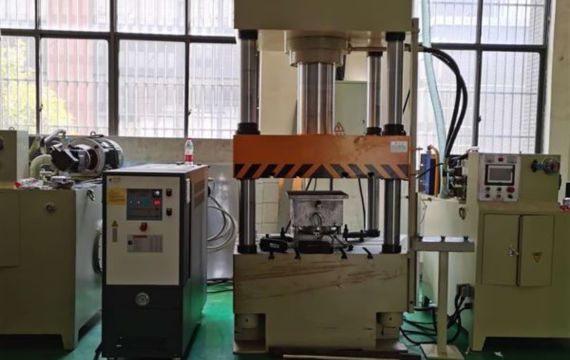
Mold temperature controller, using PLC control and heat transfer oil circulation mold temperature controller, could control the mold temperature and pressure precisely according to the product molding process; it could heat the mold temperature to above 280℃ quickly and then cool it down to below 80 ℃in a short time so that the production cycle is shortened, and same batch product quality guaranteed. Meanwhile, the mold temperature controller could also control holding time according to the product’s requirements.
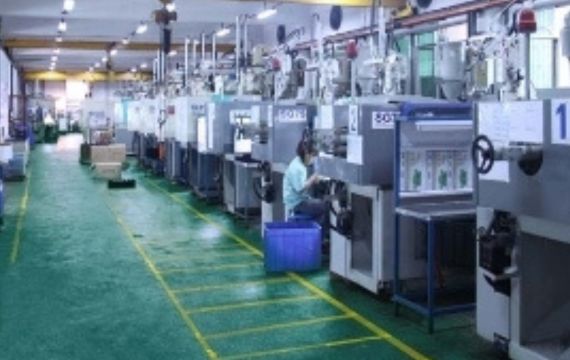
The headlight lens is made of PC material. Mold temperature controllers precisely control the temperature of the mold cores and plates, ensuring a smooth surface, high weld line strength, and reduced internal stress, optimizing the molding process. In practical applications, the mold temperature is controlled within the 80-140℃ range.
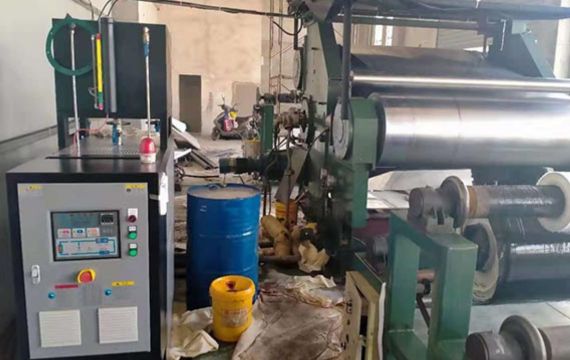
The rubber extruder is critical equipment in the rubber processing industry.It is used to extrude rubber materials into required shapes, and the rubber extruder mold temperature controller is an essential auxiliary device for the rubber extruder. It ensures the rubber extruder works correctly by controlling the temperature precisely to keep the rubber material in good condition during the extrusion process.
