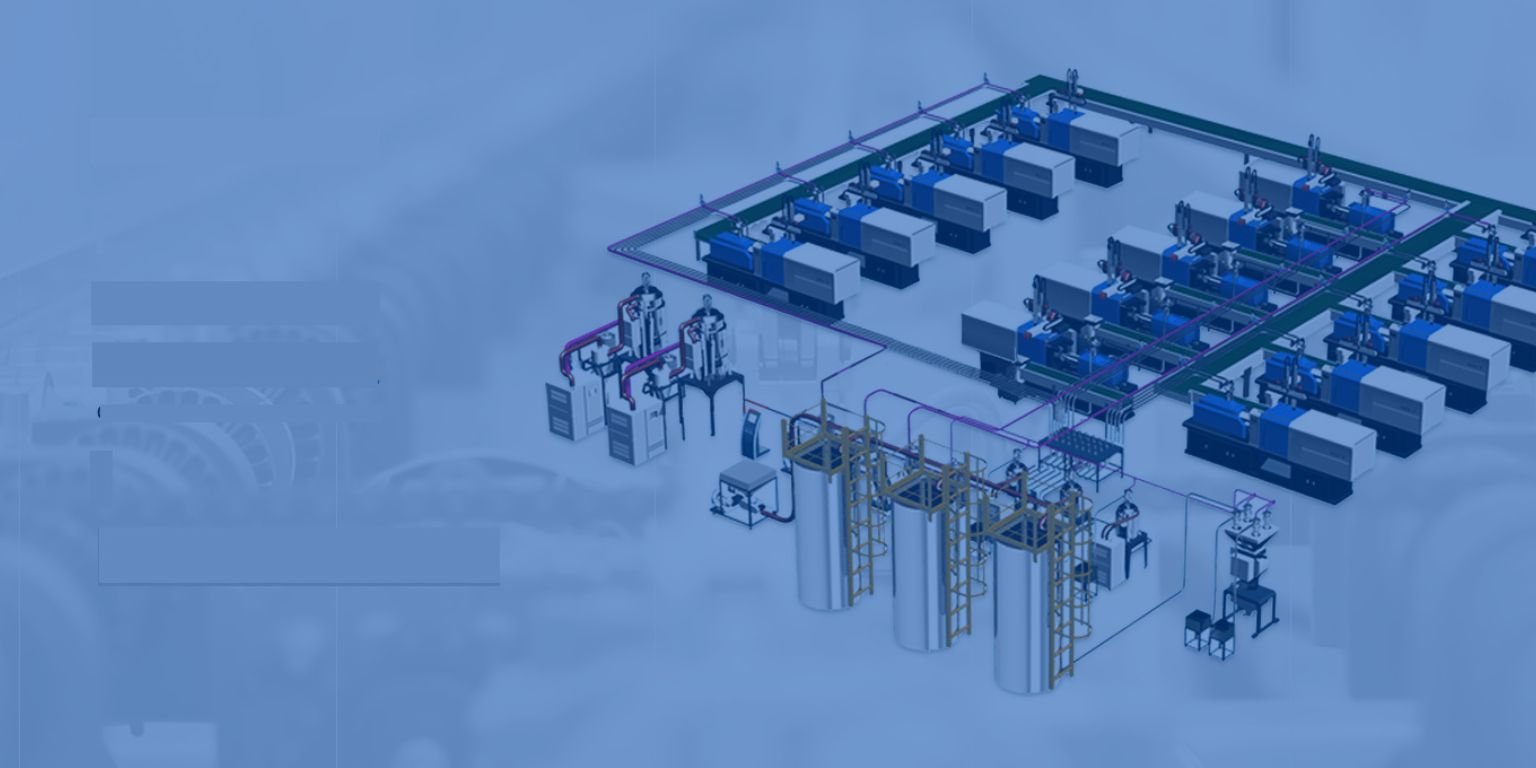
Mold temperature control is one of the key factors that affect the quality of injection-molded products, molding cycles, and production stability. Optimizing mold temperature not only improves surface quality and dimensional accuracy but also extends mold service life. Below, we will explain this from three aspects: fundamental knowledge, standard equipment, and practical applications.
Why is Mold Temperature so Important?
1. Impact on Product Quality
- Too Low Temperature: May lead to insufficient filling, shrinkage, and surface defects (such as flow marks and silver streaks).
- Too High Temperature: May cause flash or extend cooling time.
2. Impact on Production Efficiency
- Appropriate Mold Temperature: This can shorten the cooling time, thereby reducing the molding cycle and increasing production capacity.
3. Impact on Dimensional Stability
- Constant Mold Temperature: Can maintain consistent shrinkage rates, ensuring the shape and dimensional accuracy of the product.
Basic Knowledge of Mold Temperature
- Lower Limit: The minimum temperature that ensures the material can fill the mold smoothly and uniformly.
- Upper Limit: The temperature not exceeding that at which the material undergoes thermal deformation.
- Optimal Range: The temperature should be set within the above range to strike a balance between product quality and production efficiency.
1. Common Equipment for Mold Temperature Control
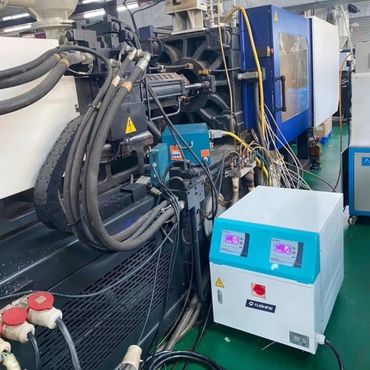
- Mold Temperature Controller (MTC)
- Water Temperature Controller: The control range is generally below 90℃, making it suitable for general plastic products with high cooling requirements and short cycle times.
- Oil Temperature Controller: Temperatures can reach 180–350℃, suitable for engineering plastics and high-temperature processes.
Advantages: Precise temperature control is achieved through heating and cooling cycles, stabilizing the mold temperature within the set range, thereby enhancing product surface quality and dimensional accuracy.
2. Chiller
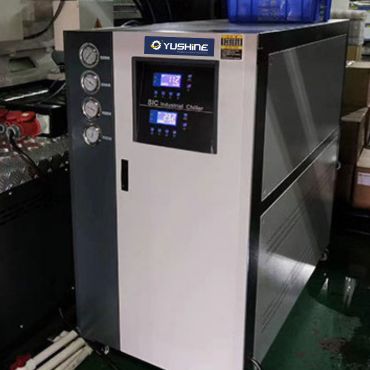
- Function: Provides low-temperature cooling water through a compressor, quickly removing the heat released during the solidification of the melt in the mold.
- Advantages: Shortens cooling time and improves production efficiency.
- Applications: Suitable for large molds and multi-cavity molds. Often used in conjunction with a mold temperature controller, where the former supplies the cooling source and the latter is responsible for precise temperature control.
3. Mold Heater Rods
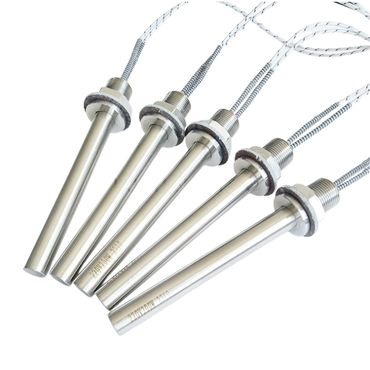
- Function: Installed inside the mold or near the cavity area to directly heat the mold.
- Advantages: Fast heating speed, suitable for localized heating.
- Applications: Ideal for situations requiring rapid heating or localized high temperatures, such as transparent parts, thin-walled components, or special structural parts. Typically used as auxiliary heating devices rather than standalone systems.
4. Reference Mold Temperature Ranges for Different Materials
- ABS: 40–60°C
- PC: 80–120°C
- POM: 60–100°C
Understanding material properties is the foundation for selecting mold temperature settings.
Impact of Mold Temperature on Product Quality
1. Fluidity and Shrinkage
High temperatures help improve fluidity, reducing residual deformation and shrinkage marks.
Low temperatures may lead to poor melt flow, resulting in flow lines and silver streaks.
2 . Temperature Consistency
Uneven temperatures across different parts of the mold can cause varying shrinkage rates, leading to warping and deformation.
3 . Difference Between Set Temperature and Actual Temperature
There may be deviations between the set values of the mold temperature controller and the actual surface temperature of the mold.
Regular calibration should be performed using sensors, and the final process data should be recorded as standard settings.
4. Influence of Environmental Factors
The temperature of the mold can change during the opening and closing process, and the actual working temperature may be higher than the measured temperature.
The mold opening and closing times should be shortened, and process parameters should be optimized according to product requirements.
5. Enhancement of Appearance and Performance
Higher mold temperatures can reduce residual stress and improve the surface gloss of the product.
Studies show that when the mold temperature increases from 20% to 90%, the surface finish of the product can improve by 40%.
Yushine Mold Temperature Controller
Yushine offers water-based, oil-based, and high-temperature mold temperature controllers, with a temperature range covering 90℃ to 300℃, fully meeting the process needs from general plastics to engineering plastics. The core components of the equipment use SUS304 seamless stainless steel main pipelines, corrosion-resistant heating elements, and high-efficiency pumps, paired with Schneider/Siemens electrical systems to ensure long-term stable operation. The control system’s accuracy can reach ±0.1℃, featuring fast heating, stable temperature maintenance, and support for proportional valve cooling and multi-zone management, significantly enhancing product consistency and production efficiency.
Additionally, it features multiple protections against overheating, overload, phase loss, and low pressure, along with automatic venting and cooling functions, ensuring safety and ease of use. Each unit undergoes 100% trial operation before leaving the factory, truly achieving a closed loop of “stable temperature control — enhanced quality — increased capacity.”