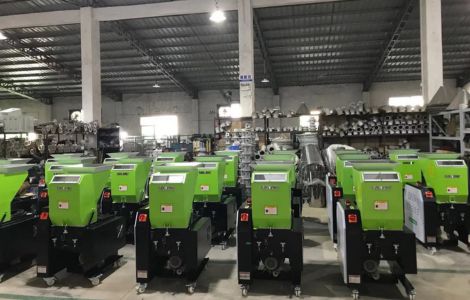
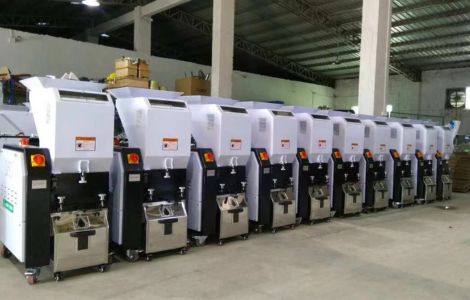
As people become more aware of environmental protection and the circular economy develops, they have become accustomed to using products made of recycled and regenerated materials, and plastics are an essential part of recycling and reuse.
Waste plastic processed into pellets still has good comprehensive material properties, can meet the technical requirements of film blowing, fiber drawing, pipe extrusion, injection molding, profile extrusion, etc., and is widely used in plastic product production. This chapter will introduce the classification of waste plastics, the main recycled plastic products, and their application fields.
Classification of Waste Plastics
The commonly used waste plastics include PET, PE, PVC, PP, and PS. The characteristics and uses of each category are as follows:
1. PET (Polyethylene Terephthalate)
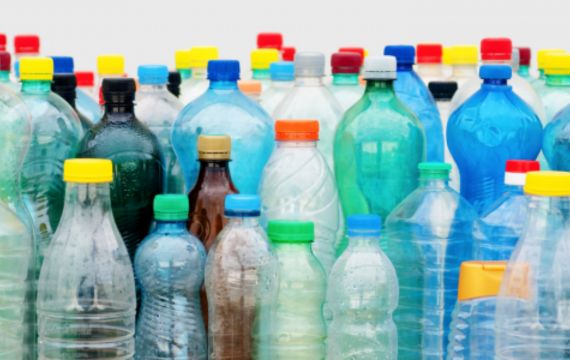
PET, known as polyester, is the most essential thermoplastic polyester1. It is mainly used to manufacture bottled beverages, cosmetic bottles, etc. PET bottles are widely used because they are strong, transparent, non-toxic, impermeable, lightweight, and highly productive. Discarded PET plastic bottles can be crushed using plastic shredders and processed through washing and other treatments. The recycled PET can be used to produce regenerated plastic bottles.

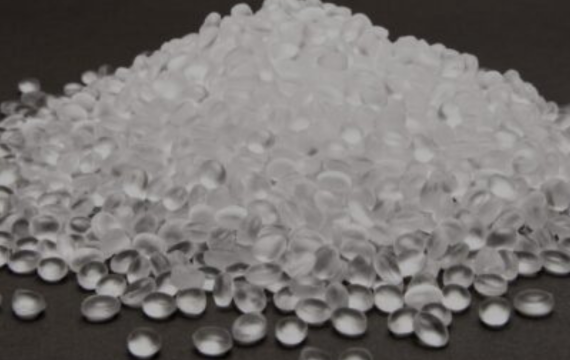
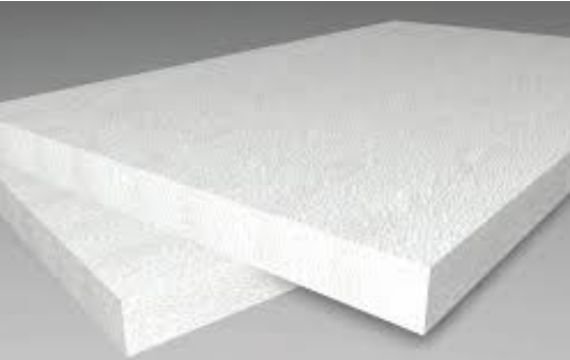
Polystyrene is colorless and transparent, easy to process and mold, and has the advantages of low price, rigidity, insulation, and good printing performance. It mainly manufactures insulated cups, appliance casings, commercial packaging, etc. Waste polystyrene plastics can be recycled to produce disposable tableware, hangers, file folders, etc.
Main Recycled Plastic Products and Their Application Areas
How to Produce Main Recycled Plastic Products?

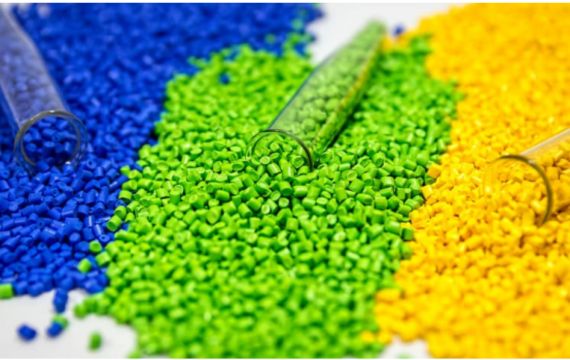
- Waste plastics can be processed into recycled plastic pellets through crushing, washing, drying, and pelletizing. Recycled plastic pellets include polypropylene recycled pellets, polyethylene recycled pellets, polyester recycled pellets, and so on. Different types have specific differences:
- Polypropylene recycled pellets have excellent mechanical properties, chemical corrosion resistance, electrical properties, and formability. They are widely used in home appliances, machinery, chemical, medical, and sanitary industries.
- Polyethylene recycled pellets are generally used to produce various plastic products, packaging films, ropes, agricultural covering films, etc.
- Polyester recycled pellets are used in various plastic products, fiber products, bottle industries, etc.
Recycled plastic pellets are granular plastics produced by processing used or discarded plastics. The production process includes the following steps:Sorting: Separating different types of plastics and removing impurities.
- Sorting. Different types of plastics are separated, and impurities are removed.
- Crushing. The separated plastics are crushed. To avoid secondary pollution, plastic should be kept clean.
- Washing. Washing is necessary to improve the purity of waste plastics. Generally, it includes pre-washing, soaking, agitation washing, and rinsing.
- Extrusion and pelletizing. A unique extruder is used to melt and shape the washed plastics.
- Cutting and packaging. After extrusion and pelletizing, the plastic pellets are cut and then packaged.
Recycled plastic pellets can be divided into three grades according to the raw materials used in production. The first-grade products are produced using unused scraps or raw materials with a high-quality level, with good transparency and quality close to the new material. The second-grade products are produced using materials used once, and the quality is lower than the new material. The third-grade products are produced using materials used more than twice, and the performance is poor.
How to Utilize Recycled Plastic Products?
- Plastic packaging films, plastic buckets, and other products can be re-manufactured through plastic recycling and processing. Recycled plastic packaging films can be used in food, beverage, daily necessities, medical, and cosmetics. Recycled plastic buckets are used in chemical, building materials, pharmaceutical, and other fields with corrosion resistance, acid and alkali resistance, and wear resistance characteristics.
- Recycled plastic products are rich in variety and widely used, which can reduce environmental pollution and create considerable economic value. With the progress of recycling technology and market demand growth, the plastic recycling industry will have more significant development potential. We should support plastic recycling and reuse to promote the circular economy and sustainable development jointly.